
Receive Payments From US Companies Without Traditional Banking Delays
May 15, 2026
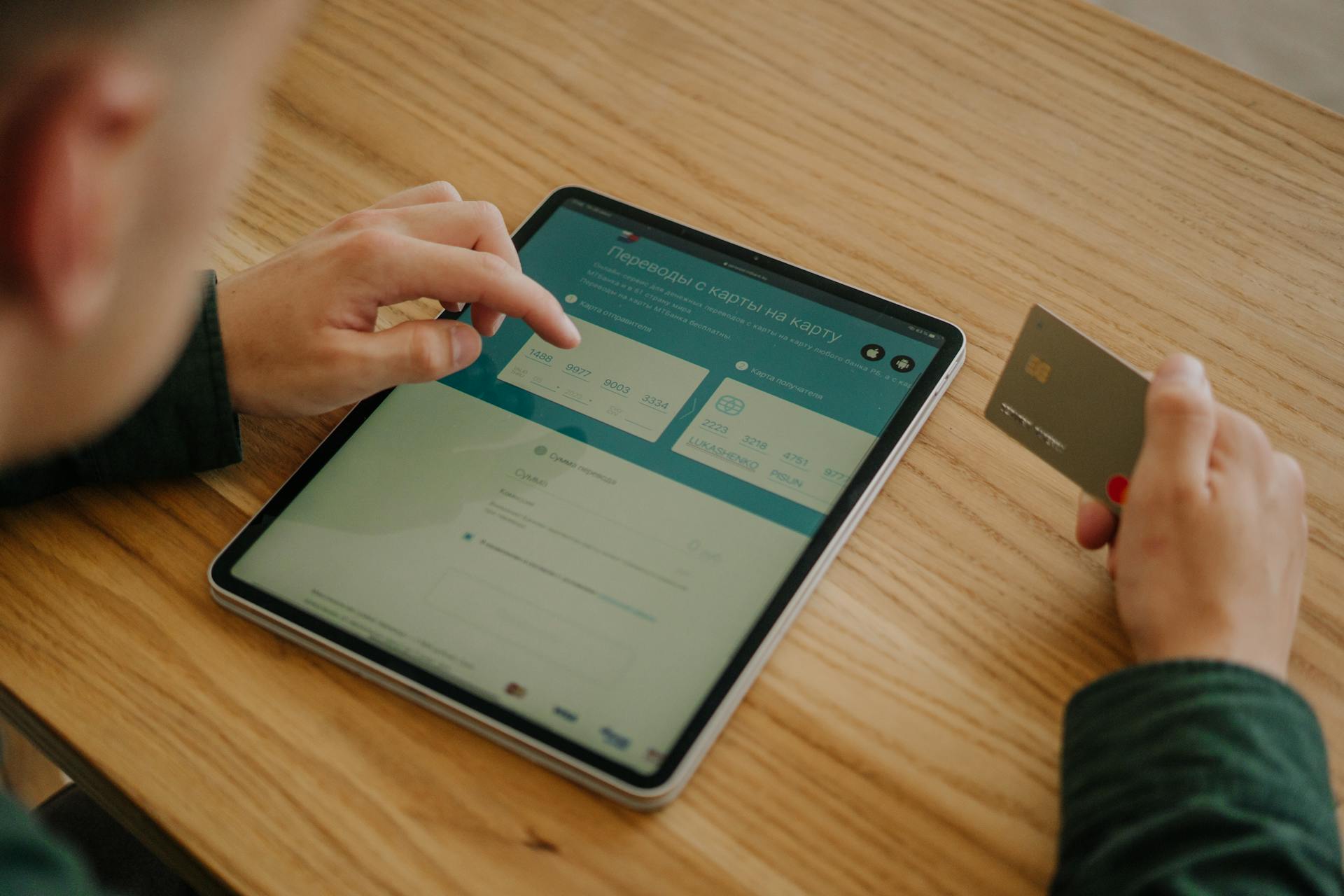
The global workforce is increasingly borderless. Companies in the United States now hire freelancers, agencies, contractors, and remote employees from virtually every part of the world. Developers in Eastern Europe collaborate with Silicon Valley startups. Designers in Africa work with US marketing agencies. Virtual assistants in Southeast Asia support businesses across multiple time zones.
While international hiring has become easier, receiving payments from US companies is still a major challenge for many remote professionals and online businesses.
Traditional banking systems often create delays, high transfer costs, unpredictable settlement times, and poor currency conversion rates. For freelancers and remote teams that depend on consistent cash flow, these payment inefficiencies can become a serious operational problem.
Modern financial infrastructure is beginning to solve this issue. New payment platforms, USD account systems, and stablecoin-enabled transfers are helping remote workers receive payments from US companies faster and with less friction than traditional international banking methods.
Why Traditional International Banking Creates Delays
International banking systems were designed long before remote work and digital freelancing became mainstream.
When a US company sends money internationally through conventional bank wires, the transaction often passes through multiple intermediary banks before reaching the recipient. Each intermediary institution may add processing time, verification checks, and additional fees.
As a result, international payments frequently involve:
Multi-day settlement times
High wire transfer costs
Limited payment visibility
Banking holiday delays
Currency conversion losses
Compliance-related transaction holds
For remote workers receiving regular client payments, these delays can disrupt budgeting, operational planning, and business stability.
In some regions, local banking systems may also have limited support for USD receiving accounts, making international payments even more complicated.
Why Faster Access to USD Payments Matters
The speed of international payments affects more than convenience. For many remote professionals and online businesses, payment timing directly impacts financial operations.
Improved Cash Flow
Freelancers and remote contractors often rely on recurring payments to manage rent, software subscriptions, taxes, payroll, and operational expenses. Delayed international transfers can create unnecessary financial pressure.
Better Financial Planning
Predictable payment timelines help remote workers manage income more effectively, especially when working with multiple international clients.
Reduced Currency Volatility
Holding earnings in USD can help preserve value in countries where local currencies experience significant inflation or exchange rate instability.
Easier Business Scaling
As freelancers grow into agencies or distributed teams, efficient international payment infrastructure becomes increasingly important for paying contractors and managing cross-border operations.
How Remote Workers Can Receive Payments Faster From US Companies
Modern cross-border financial systems are helping reduce the delays associated with traditional international banking.
Several approaches now allow remote workers and online businesses to receive USD payments more efficiently.
Use USD Receiving Accounts Instead of Traditional Wire Transfers
Dedicated USD receiving accounts have become one of the most effective tools for improving international payment speed.
These accounts allow freelancers and businesses outside the United States to receive payments through local US banking infrastructure such as ACH and Wire transfers.
Instead of clients sending expensive international bank wires directly to foreign bank accounts, payments are processed within the US banking network before being routed to the recipient.
This often results in:
Faster settlements
Lower transfer costs
Reduced intermediary banking friction
Simpler invoicing processes
For US companies, paying contractors through ACH transfers also feels more operationally familiar than managing international bank wires manually.
Modern Fintech Platforms Are Streamlining Cross-Border Payments
Traditional banks are not always optimized for remote-first global workforces. Fintech payment platforms, however, are increasingly building infrastructure specifically for freelancers, remote workers, creators, and online businesses.
Many modern providers now offer:
USD and EUR receiving accounts
Faster ACH settlements
Local bank withdrawals
Multi-currency balances
Virtual payment cards
Automated invoicing
Stablecoin withdrawal support
These tools help reduce the operational complexity associated with international payments.
Platforms such as Wise, Payoneer, and Hurupay are increasingly being used by remote professionals and digital businesses managing cross-border transactions.
Some providers focus primarily on traditional banking infrastructure, while others combine banking systems with crypto-enabled settlement options for additional flexibility.
Stablecoins Are Changing International Payment Speed
Stablecoins are increasingly being explored as an alternative settlement method for global payments.
Unlike conventional international bank transfers, stablecoin transactions can settle significantly faster while maintaining pricing stability through USD-linked assets such as USDC or USDT.
For remote workers and online businesses, stablecoins may offer:
Faster Global Transfers
Payments can move more quickly compared to traditional wire systems.
Flexible Withdrawal Options
Funds may be withdrawn through local banks, exchanges, or peer-to-peer marketplaces depending on regional infrastructure.
Reduced Banking Limitations
In countries where international banking access is limited, stablecoin systems may offer additional financial accessibility.
Better Currency Stability
Holding earnings in USD-linked assets can help reduce exposure to local currency depreciation.
However, businesses and freelancers should still carefully evaluate regulatory considerations, compliance requirements, and platform security when using crypto-related financial services.
Currency Conversion Fees Can Quietly Reduce Earnings
Many remote workers focus primarily on transfer speed while overlooking the long-term impact of exchange rate spreads.
Traditional banks and payment processors often apply unfavorable conversion rates when converting USD into local currencies. Over time, these hidden costs can significantly reduce earnings.
Modern global payment systems increasingly allow users to:
Hold USD balances
Convert currencies selectively
Withdraw through multiple methods
Use stablecoin conversions
Access multi-currency wallets
These features give users more control over how and when their funds are converted.
What US Companies Want From International Payment Systems
US businesses hiring internationally also benefit from faster and more efficient payment infrastructure.
Companies typically want payment systems that are:
Reliable
Easy to manage
Compliant
Cost-effective
Fast to process
Scalable for remote teams
The easier it becomes for companies to pay international talent, the more likely they are to expand remote hiring globally.
Efficient payment infrastructure therefore benefits both sides of the remote work economy.
Common Payment Methods Used by Remote Workers
Different payment systems offer different advantages depending on the worker’s location, business model, and withdrawal preferences.
ACH Transfers
Popular for receiving payments from US companies because they are typically cheaper and faster than international wires.
International Wire Transfers
Still widely used for larger transactions, though often slower and more expensive.
Fintech Payment Platforms
Modern providers focused on global work infrastructure often offer faster settlements and easier withdrawals.
Stablecoin Transfers
Increasingly used for speed, flexibility, and currency preservation.
Online Payment Processors
Platforms like PayPal continue to be commonly used globally, although fees and withdrawal experiences vary by region.
The best setup often depends on the freelancer’s country, client type, preferred payout methods, and operational needs.
What to Look for in a Global Payment Platform
Before relying on any payment system, freelancers and businesses should evaluate several important factors.
Settlement Speed
Faster processing improves cash flow and financial predictability.
Currency Support
Multi-currency support allows businesses to manage international operations more flexibly.
Withdrawal Options
Flexible withdrawals through local banks, mobile money, or stablecoins improve accessibility.
Fee Transparency
Understanding transfer fees and conversion spreads is essential for protecting earnings.
Compliance and Security
Reliable providers should maintain strong verification, security, and regulatory processes.
Testing payment workflows with smaller transactions before scaling usage is often a practical approach.
The Future of International Payments for Remote Work
Global remote work continues to reshape financial infrastructure.
Several trends are likely to define the future of international payments:
Faster Cross-Border Settlements
Payment systems are becoming increasingly real-time and digitally integrated.
Stablecoin Adoption
Stablecoins are gradually becoming part of mainstream cross-border payment infrastructure.
Multi-Currency Financial Tools
Freelancers and online businesses now have access to financial products previously available mainly to larger enterprises.
More Flexible Global Banking Infrastructure
Remote-first businesses increasingly require financial systems designed for borderless operations.
As these systems evolve, receiving payments from US companies internationally will likely become faster, cheaper, and operationally simpler.
Conclusion
Remote work has created global earning opportunities for freelancers, contractors, creators, and online businesses worldwide. However, traditional international banking systems still create delays, high costs, and unnecessary complexity when receiving payments from US companies.
Dedicated USD receiving accounts, modern fintech platforms, ACH payment infrastructure, and stablecoin-enabled systems are helping remote professionals receive international payments more efficiently than traditional banking methods.
As global work continues expanding, modern payment infrastructure will play a critical role in helping businesses and remote workers operate more smoothly across borders.