
Best Dollar Accounts in the Philippines: A 2026 Guide for Freelancers, Remote Workers, and Global Businesses
Feb 26, 2026
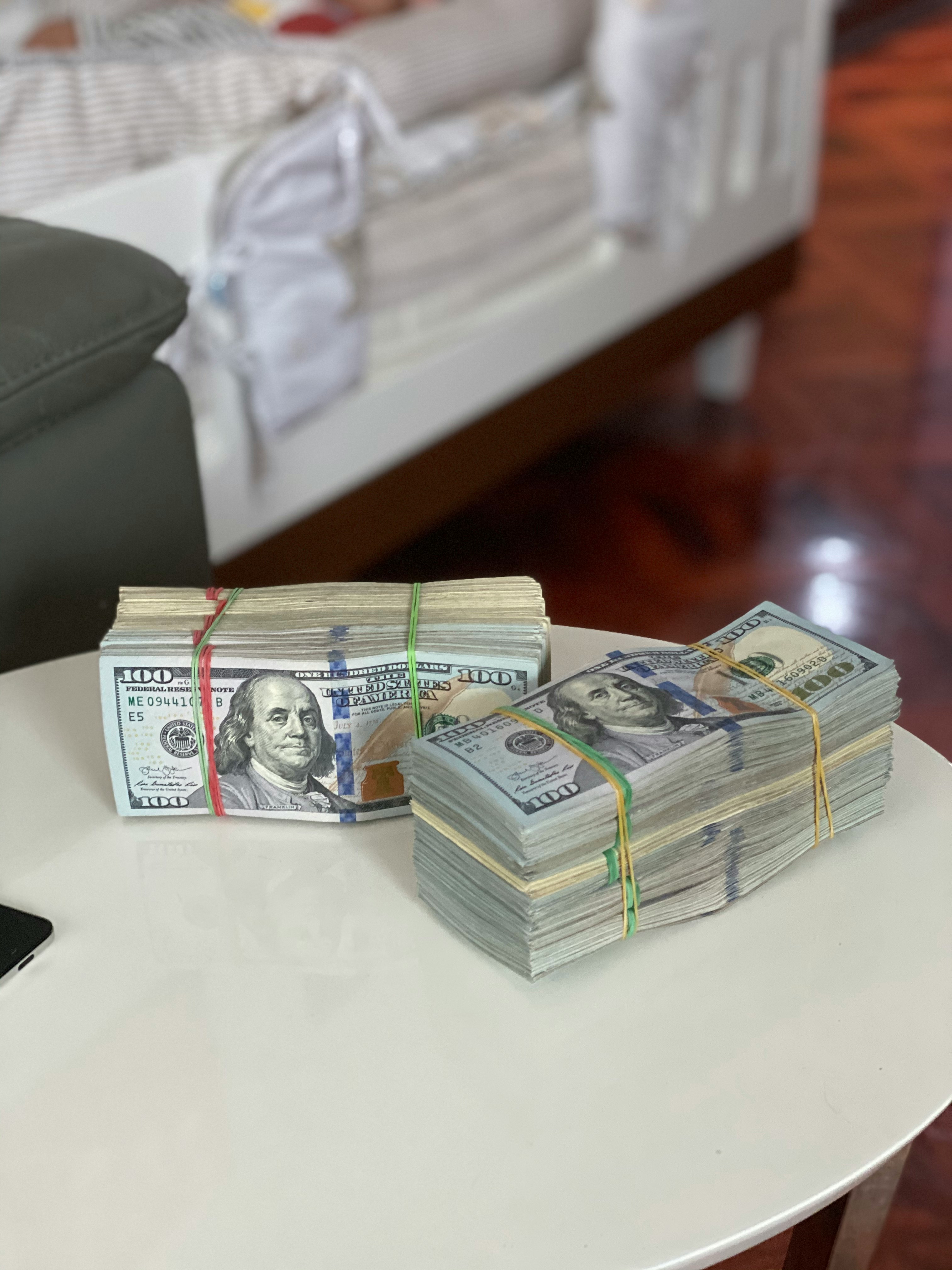
If you’re searching for the best dollar accounts in the Philippines, the short answer is this: the right option depends on how you earn, how often you receive international payments, and whether you need multi-currency flexibility or simply a traditional USD savings account.
For freelancers, remote employees, exporters, and business owners earning in U.S. dollars, having a reliable USD account can reduce foreign exchange losses, improve income stability, and simplify global transactions. However, not all dollar accounts are built the same.
This guide explains the types of USD accounts available in the Philippines, how they differ, and what to consider before choosing one.
Why Open a Dollar Account in the Philippines?
The Philippines has a large remote workforce and a strong base of overseas earners. According to data from the Bangko Sentral ng Pilipinas (BSP), remittances and foreign currency inflows remain a significant part of the economy.
For individuals and businesses earning in USD, a dollar account provides several advantages:
Protection against peso volatility
Reduced forced currency conversion
Easier international transfers
Professional credibility with global clients
Ability to hold foreign currency savings
If you’re paid by U.S.-based companies or international platforms, receiving USD directly can protect your margins.
Types of Dollar Accounts Available in the Philippines
When evaluating the best dollar accounts in the Philippines, it helps to understand the main categories.
1. Traditional Bank USD Savings Accounts
Major Philippine banks offer U.S. dollar savings accounts.
Common features include:
USD deposits and withdrawals
Passbook or ATM-linked accounts
Minimum maintaining balances (often $500 or more)
Interest earnings (typically modest)
These accounts are regulated by the Bangko Sentral ng Pilipinas and may be insured by the Philippine Deposit Insurance Corporation (PDIC), subject to coverage limits.
They are suitable for long-term USD savings but may involve:
International wire fees
SWIFT charges
Incoming transfer fees
Less competitive FX spreads
For freelancers receiving frequent international payments, transfer costs can accumulate over time.
2. USD Checking Accounts
Some banks offer dollar-denominated checking accounts.
These are typically used by:
Businesses
Exporters
Companies transacting with overseas suppliers
They allow check issuance in USD but often require higher minimum balances and stricter documentation.
For most freelancers and remote workers, a standard USD savings account is more common than a checking account.
3. Digital Multi-Currency Accounts
An increasingly popular option is digital multi-currency accounts offered by fintech platforms.
These accounts typically provide:
USD account details
EUR and GBP support
Faster cross-border transfers
Lower FX conversion spreads
Online-only access
Unlike traditional banks, digital-first platforms are often designed for remote professionals and international commerce.
For example, Hurupay Inc. provides USD, EUR, and GBP accounts that allow freelancers and businesses in the Philippines to receive foreign payments while reducing foreign exchange friction.
For professionals earning from global clients, combining a local bank account with a multi-currency digital account can improve flexibility.
Key Factors to Consider When Choosing the Best Dollar Account
The best dollar accounts in the Philippines vary depending on your use case. Consider the following criteria.
1. Minimum Balance Requirements
Traditional banks may require:
$500–$1,000 minimum maintaining balance
Initial deposit thresholds
Falling below the minimum often triggers service charges.
Digital multi-currency platforms may offer lower or no minimum balance requirements.
2. Incoming International Transfer Fees
If you receive frequent payments from overseas, check:
Incoming SWIFT fees
Correspondent bank deductions
Processing times
A $20–$30 incoming wire fee may not seem significant at first, but it can materially reduce income over time.
3. Foreign Exchange Rates
Even if you hold USD, you may eventually convert to PHP.
Pay attention to:
FX spreads
Conversion markups
Timing flexibility
Being forced to convert immediately upon receipt can reduce earnings if rates are unfavorable.
4. Withdrawal and Access
Consider:
ATM withdrawal availability
Online banking functionality
Mobile app access
Transfer limits
For remote workers, digital convenience is often as important as cost.
5. Regulatory Security
Ensure your chosen provider:
Operates under proper regulatory oversight
Has transparent compliance practices
Provides secure transaction monitoring
Security should never be sacrificed for convenience.
Traditional Banks vs Digital Multi-Currency Platforms
Traditional Banks
Advantages:
Established brand reputation
Local branch access
PDIC coverage (for eligible deposits)
Limitations:
Higher transfer fees
Slower international processing
Limited currency flexibility
Digital Multi-Currency Platforms
Advantages:
Designed for cross-border use
Lower FX friction
Faster onboarding
Currency holding flexibility
Limitations:
No physical branches
May not provide traditional deposit insurance structures
For professionals earning online, the choice often depends on payment frequency and transaction size.
Who Needs a Dollar Account Most?
The best dollar accounts in the Philippines are especially relevant for:
Freelancers paid by U.S. clients
Virtual assistants working for international companies
Online sellers on global platforms
Remote employees of foreign firms
Export-focused small businesses
If your income is denominated in USD, holding a dollar account can protect your purchasing power.
How to Open a Dollar Account in the Philippines
Requirements typically include:
Valid government-issued ID
Tax Identification Number (TIN)
Proof of address
Initial deposit
Traditional banks may require in-person visits. Digital platforms often allow remote onboarding.
Processing times vary by institution.
Managing USD Income Strategically
Beyond opening an account, long-term success depends on strategy.
Consider:
Holding USD during periods of peso volatility
Converting only when rates are favorable
Diversifying currency exposure
Minimizing unnecessary transfer cycles
For example, freelancers receiving monthly USD payments may benefit from holding funds in foreign currency accounts rather than converting immediately.
Efficient cross-border infrastructure reduces friction and protects earnings.
Final Answer: What Are the Best Dollar Accounts in the Philippines?
The best dollar accounts in the Philippines depend on your needs.
If you prioritize stability and branch access, traditional bank USD accounts may be suitable.
If you prioritize international flexibility, lower FX friction, and multi-currency access, digital-first platforms may offer greater efficiency.
There is no universal solution. The right account aligns with your income source, transaction frequency, and long-term financial strategy.
Conclusion: Choosing the Right Dollar Account for Global Earnings
As remote work and international commerce continue expanding, access to USD banking is no longer optional for many Filipino professionals.
When evaluating the best dollar accounts in the Philippines, look beyond basic features. Consider fee structures, FX spreads, payment speed, and digital usability.
A well-chosen dollar account does more than store funds it strengthens your ability to operate confidently in a global economy.