
Best Platforms to Receive Freelance Payments Globally: A Practical Guide for Remote Professionals
Mar 25, 2026
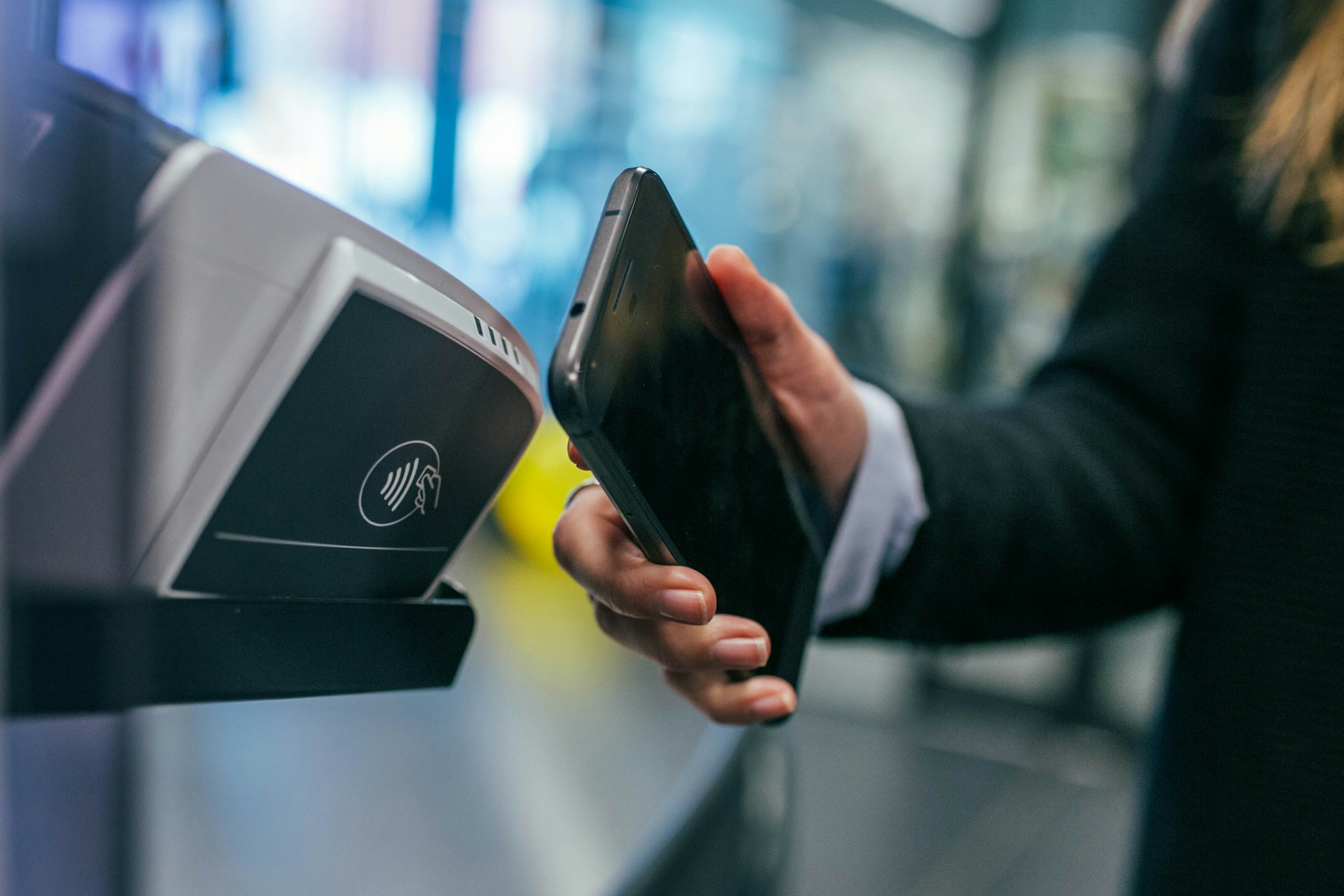
Receiving payments efficiently is one of the most critical aspects of building a sustainable freelance career. No matter how skilled you are, your ability to get paid quickly, securely, and with minimal fees directly impacts your income and cash flow.
The best platforms to receive freelance payments globally include a mix of digital wallets, cross-border fintech solutions, and multi-currency accounts. Each platform offers different advantages in terms of fees, exchange rates, speed, and compatibility with clients and marketplaces.
This guide provides a comprehensive breakdown of the most reliable global payment platforms, how they work, and how to choose the right one based on your freelance workflow.
What Makes a Platform Ideal for Global Freelance Payments?
Before choosing a payment platform, it’s important to understand what actually matters. The best platforms are not necessarily the most popular; they are the ones that minimize friction in how you receive, convert, and access money.
Key factors include:
Exchange rates: Often more impactful than visible fees
Transfer speed: How quickly funds become available
Global accessibility: Whether clients can easily send payments
Withdrawal options: Bank, mobile money, or local integrations
Reliability and compliance: Stability and trustworthiness
A strong platform balances all of these without introducing unnecessary complexity.
Best Platforms to Receive Freelance Payments Globally
1. Hurupay: A Modern Infrastructure for Global Payments
Hurupay is emerging as a strong solution for freelancers who want more control over how they receive and manage international payments.
Unlike traditional wallets, Hurupay focuses on simplifying cross-border transactions by providing access to international receiving accounts and efficient currency conversion.
With Hurupay’s global payment system, freelancers can:
Receive payments in major currencies like USD, GBP, and EUR
Avoid unnecessary conversion losses with transparent rates
Withdraw funds directly into local bank accounts
Manage international income from a single platform
This structure is particularly useful for freelancers working with direct clients, remote employers, or global platforms that support bank transfers.
Best for: Freelancers seeking a scalable, flexible solution for managing global income efficiently.
2. Payoneer
Payoneer remains one of the most widely used platforms among freelancers worldwide.
How it works:
It provides virtual receiving accounts in multiple currencies, allowing users to get paid like a local in different regions.
Advantages:
Strong integration with freelance platforms like Upwork and Fiverr
Widely accepted by international clients
Supports multiple currencies
Limitations:
Fees and exchange rates can vary
Annual charges may apply
Best for: Freelancers working through established marketplaces.
3. Wise (Formerly TransferWise)
Wise is known for its transparency and real exchange rates.
How it works:
It offers multi-currency accounts with local bank details, enabling clients to send payments easily.
Advantages:
Mid-market exchange rates
Clear fee structure
Multi-currency support
Limitations:
Not universally adopted by all clients
Some features depend on region
Best for: Freelancers prioritizing cost efficiency and transparency.
4. PayPal
PayPal remains a dominant player in global online payments.
How it works:
Clients send payments directly to your PayPal account, which you can withdraw to your bank.
Advantages:
Widely recognized and trusted
Easy to use
Fast internal transfers
Limitations:
High fees and unfavorable exchange rates
Account limitations can occur
Withdrawal delays in some regions
Best for: Freelancers working with clients who prefer familiar platforms.
5. Skrill
Skrill is another digital wallet used for international transactions.
How it works:
Funds are received in a wallet and can be withdrawn or converted.
Advantages:
Supports multiple currencies
Quick internal transfers
Limitations:
Higher fees compared to newer platforms
Less widespread adoption
Best for: Niche use cases where Skrill is already supported.
6. Direct Bank Transfers (SWIFT)
Traditional bank transfers are still relevant, especially for high-value payments.
How it works:
Clients send money directly to your bank account using international transfer systems.
Advantages:
Reliable and secure
Suitable for large transactions
Limitations:
Slow processing times
High intermediary fees
Poor exchange rates
Best for: Businesses or freelancers receiving large, infrequent payments.
Why Hurupay Represents a Shift in Freelance Payments
Many freelancers focus on receiving payments, but the real challenge lies in managing them efficiently.
Hurupay addresses this by offering:
Multi-currency receiving accounts
Faster withdrawal processes
More competitive exchange rates
A simplified global payment experience
Rather than acting as just a wallet, it functions as a financial infrastructure tailored for freelancers operating across borders.
This shift is important because it moves freelancers away from fragmented payment systems toward a more unified and optimized approach.
How to Choose the Best Platform for Your Needs
Consider How You Get Paid
If you primarily work on freelance platforms, Payoneer or PayPal may be necessary. If you work with direct clients, platforms like Hurupay or Wise offer more flexibility.
Evaluate Total Costs, Not Just Fees
Look beyond visible fees and assess:
Exchange rate margins
Withdrawal charges
Hidden costs
Think About Scalability
As your freelance income grows, your payment system should scale with you. Platforms that offer multi-currency support and better rates become more valuable over time.
Prioritize Flexibility
Using more than one platform allows you to:
Adapt to client preferences
Reduce dependency on a single provider
Optimize costs per transaction
Common Mistakes Freelancers Make
Relying on one payment platform exclusively
Ignoring exchange rate losses
Withdrawing funds too frequently
Choosing platforms based solely on popularity
Avoiding these mistakes can significantly improve your overall earnings.
Best Practices for Managing Freelance Payments Globally
Consolidate payments to reduce fees
Monitor exchange rates before withdrawing
Use platforms with transparent pricing
Keep records for accounting and tax purposes
Conclusion
The best platforms to receive freelance payments globally are those that align with your workflow, minimize costs, and provide fast, reliable access to your funds.
While established platforms like Payoneer, Wise, and PayPal remain essential, newer solutions like Hurupay are redefining how freelancers manage international income by offering more control, transparency, and efficiency.
Ultimately, the most effective strategy is to combine platforms intelligently—leveraging each one’s strengths to reduce costs, improve speed, and create a seamless global payment system that supports your long-term growth.