
Is Venmo Safe for Sellers? Risks, Protections, and Smarter Payment Practices
Mar 9, 2026
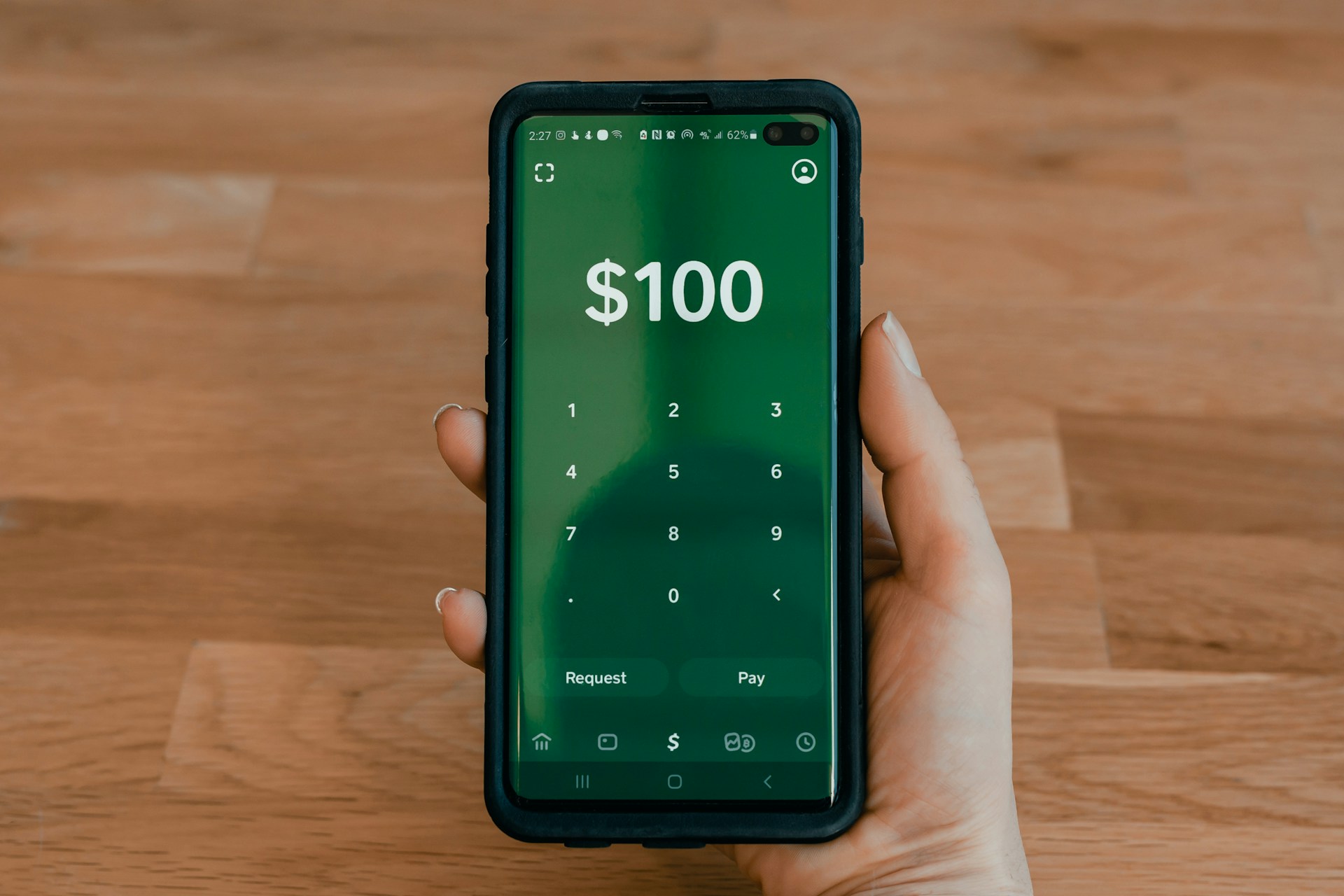
Venmo can be safe for sellers, but only when used correctly and within its intended use cases. The platform offers protections for approved business transactions, yet it was originally designed for peer-to-peer payments between people who know and trust each other. Sellers who treat Venmo like a full-featured merchant payment processor often run into disputes, reversals, or policy limitations.
Understanding how Venmo works, what protections exist, and where risks remain helps sellers decide when it’s appropriate and when alternative payment methods may be safer.
What Is Venmo and How Do Sellers Use It?
Venmo is a mobile payment service owned by PayPal. It allows users to send and receive money quickly through linked bank accounts, cards, or balances.
While it started as a peer-to-peer payment app, Venmo now supports business profiles that allow sellers to:
Accept payments for goods and services
Separate personal and business transactions
Offer buyers in-app purchase labeling
Access limited seller protection
This expansion made Venmo more viable for small sellers, freelancers, and micro-businesses that primarily transact through mobile devices.
Is Venmo Safe for Sellers? The Short Answer
Venmo is conditionally safe for sellers who:
Use an official Venmo Business Profile
Clearly label transactions as purchases
Follow platform rules and acceptable use policies
Avoid high-risk transaction types
However, sellers who rely on personal accounts for commercial activity or accept large, one-off payments from unknown buyers expose themselves to higher fraud and dispute risks.
Safety depends less on the app itself and more on how it’s used.
How Venmo Seller Protection Works
Venmo offers protection for eligible business transactions made through authorized business profiles.
What Is Covered
When a payment is properly tagged as a purchase, sellers may receive protection against:
Unauthorized transactions
Certain claims of non-receipt
Some payment reversals
This protection is similar in concept to merchant safeguards provided by major payment processors.
What Is Not Covered
Seller protection typically does not apply to:
Payments sent through personal accounts
Friends and Family transfers
Off-platform agreements
Digitally delivered goods in some cases
Transactions violating acceptable use rules
Sellers must ensure the payment flow qualifies under Venmo’s business policies.
Key Risks Sellers Should Understand
Even with protections in place, Venmo is not risk-free for commercial transactions.
Chargebacks and Disputes
Buyers may dispute payments through their card issuer or Venmo. If documentation is insufficient, funds can be reversed.
Account Limitations
Accounts may be frozen if activity appears suspicious or violates policy, which can interrupt cash flow.
Limited Global Use
Venmo primarily serves U.S. users. International sellers or cross-border businesses may face restrictions.
Informal Buyer Expectations
Because Venmo feels casual and social, some buyers treat transactions less formally than traditional checkout systems.
When Venmo Makes Sense for Sellers
Venmo works best in low-risk, everyday selling scenarios where speed and convenience matter.
Good use cases include:
Freelancers billing repeat clients
Local service providers
Small digital creators
Community-based businesses
Low-ticket item sales
For these sellers, Venmo reduces friction and meets customer preferences.
When Sellers Should Consider Alternatives
Larger or more complex businesses often need stronger infrastructure.
Consider alternatives if you:
Sell high-value products
Operate internationally
Need advanced fraud protection
Require formal invoicing systems
Manage high transaction volumes
Dedicated merchant processors typically offer stronger dispute handling, reporting tools, and compliance frameworks.
Best Practices for Sellers Using Venmo
Sellers who choose Venmo can reduce risk with practical safeguards:
Use a Business Profile Only
Keep personal and commercial payments separate.
Label Transactions Properly
Ensure payments are marked for goods and services.
Keep Documentation
Save invoices, shipping proof, and customer communication.
Avoid Large Unknown Transactions
Be cautious with unusually large payments from first-time buyers.
Follow Platform Policies
Review terms regularly to stay compliant.
Small operational habits make a meaningful difference in dispute outcomes.
Broader Consideration: Payment Infrastructure for Growing Sellers
As sellers grow, payment needs become more complex. Multi-currency support, reconciliation tools, and cross-border capabilities become increasingly important.
Modern global payment platforms help businesses centralize collections, manage multiple currencies, and reduce dependency on peer-to-peer tools.
For example, Hurupay provides infrastructure that supports international payment flows and multi-currency operations, which can be more suitable for sellers expanding beyond domestic peer-to-peer transactions.
Conclusion
Venmo is safe for sellers when used through official business profiles and within platform rules. It offers convenience, fast transfers, and basic protections that suit small-scale and community-based commerce.
However, it is not a full substitute for professional merchant payment systems. Sellers handling higher values, international customers, or complex operations should evaluate more robust alternatives.
Choosing the right payment method depends on transaction size, customer geography, and the level of protection your business requires.