
How to Transfer Money from PayPal to Bank Account in the Philippines: Step-by-Step Guide, Fees, and Faster Options
Mar 9, 2026
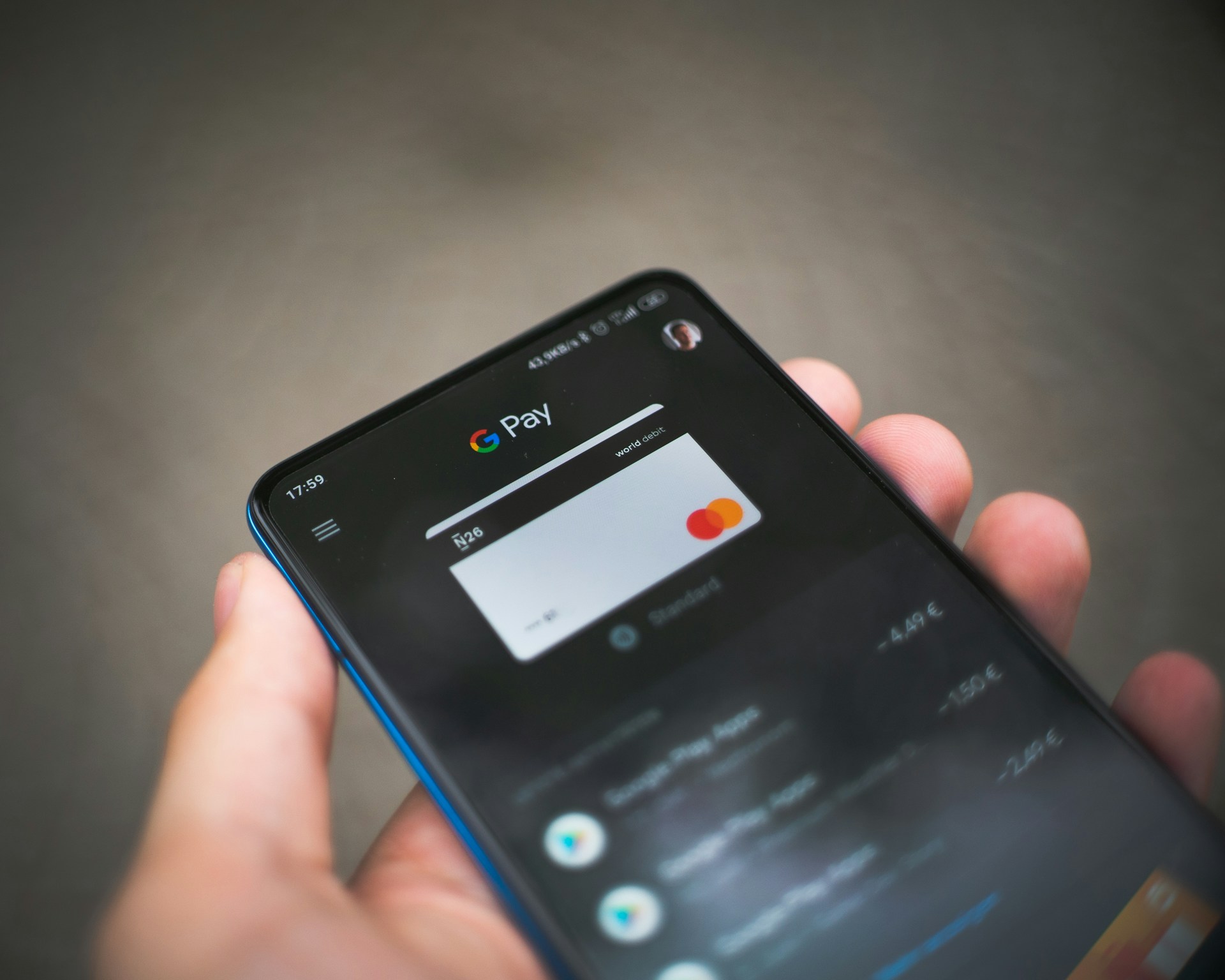
To transfer money from PayPal to a bank account in the Philippines, link your local bank to your PayPal wallet, choose “Withdraw Funds,” enter the amount, review the fees and exchange rate, and confirm. Funds are then processed to your bank, typically within standard banking timelines.
The process is straightforward, but transfer speed, currency conversion, and withdrawal fees can affect how much you receive and how long it takes. Understanding each step helps you avoid delays and unnecessary charges.
What You Need Before Withdrawing from PayPal
Before initiating a transfer, make sure your account setup is complete.
A Verified PayPal Account
Your PayPal profile should be verified with confirmed identity and security checks completed.
A Linked Philippine Bank Account
You must add a local bank account that supports incoming transfers. This requires accurate account details that match your PayPal name.
Available PayPal Balance
Only cleared funds in your PayPal balance can be withdrawn. Pending payments must settle first.
Preparing these basics prevents failed transfers and processing holds.
Step-by-Step: How to Transfer Money from PayPal to Bank Account in the Philippines
1. Log In to Your PayPal Account
Access your account through the PayPal website or mobile app.
2. Go to Your Wallet
Open the Wallet section where your balances and linked accounts are displayed.
3. Select “Withdraw Funds”
Choose the option to move money out of PayPal.
4. Choose Your Linked Bank Account
Select the Philippine bank account you previously added.
5. Enter the Amount to Transfer
Specify how much you want to withdraw.
6. Review Fees and Exchange Rate
If your balance is in a foreign currency, PayPal will show:
The exchange rate used
Conversion costs
Estimated arrival time
7. Confirm the Transfer
Once approved, the withdrawal is processed to your bank.
Transfer Time: How Long It Takes
Withdrawal speed depends on processing method and bank policies.
Standard Transfers
Typically completed within a few business days.
Faster Processing
Some banks may reflect funds sooner, depending on settlement cycles and local clearing systems.
Weekends and public holidays can extend timelines.
Fees and Currency Conversion Costs
Understanding fees helps you estimate the final amount you’ll receive.
Withdrawal Fees
Some transfers may carry fixed or percentage-based fees depending on account type and destination.
Currency Conversion Charges
If withdrawing USD to a peso account, PayPal converts funds using its exchange rate, which includes a margin above the mid-market rate.
Bank Receiving Fees
Certain banks may apply inward remittance charges.
Fee structures can change, so reviewing PayPal’s official pricing pages before transferring is advisable.
Common Issues and How to Avoid Them
Name Mismatch
Your PayPal name must match your bank records exactly.
Incorrect Bank Details
Errors in account numbers or bank codes can cause transfer failures.
Unsupported Accounts
Some digital wallets or specialized accounts may not accept PayPal withdrawals.
Currency Mismatch
Withdrawing foreign currency into a peso-only account triggers automatic conversion.
Careful setup prevents most transfer problems.
Tips to Get Funds Faster and Reduce Costs
Small adjustments can improve withdrawal efficiency.
Withdraw Larger Amounts Less Frequently
This reduces cumulative fixed fees.
Check Exchange Rates Before Converting
Currency spreads affect the peso amount received.
Confirm Bank Processing Times
Some banks clear transfers faster than others.
Consider Multi-Currency Receiving Options
Holding funds in original currency before conversion can provide flexibility.
Alternatives for Receiving International Payments
If you regularly receive foreign payments, relying solely on wallet withdrawals may not be the most efficient approach.
Modern cross-border financial platforms offer:
Multi-currency accounts
Local receiving details
Direct bank integrations
Reduced FX spreads
For example, Hurupay enables individuals and businesses to receive international payments and manage multiple currencies more efficiently. This can reduce conversion friction and streamline global fund transfers.
Such solutions are particularly useful for freelancers, remote workers, and online businesses with frequent overseas income.
Is It Safe to Transfer from PayPal to a Bank Account?
Yes. PayPal operates as a regulated financial services provider and uses secure banking infrastructure. Transfers to verified bank accounts follow established financial safeguards.
Security best practices include enabling two-factor authentication and verifying recipient bank details.
Conclusion
To transfer money from PayPal to a bank account in the Philippines, link your bank, initiate a withdrawal from your wallet, review fees and exchange rates, and confirm the transfer. Most withdrawals complete within standard banking timelines, though fees and currency conversion affect the final amount received.
For occasional transfers, PayPal’s withdrawal system is convenient and reliable. Those who receive frequent international payments may benefit from multi-currency financial tools that offer greater control over exchange timing, costs, and global fund management.
Choosing the right method depends on how often you transact, the currencies you manage, and how quickly you need access to funds.